top of page


Product FAQ
Helping families and professionals better understand our products, sensory needs, chewing behaviours and sensory regulation through lived experience and practical resources.
Product FAQ
What is the difference between a fabric chew necklace and silicone chewelry?
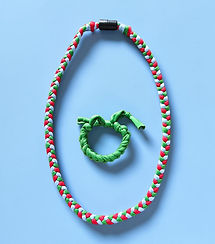
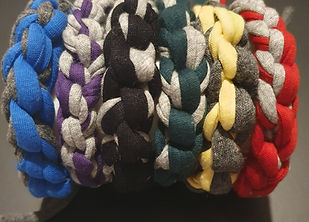
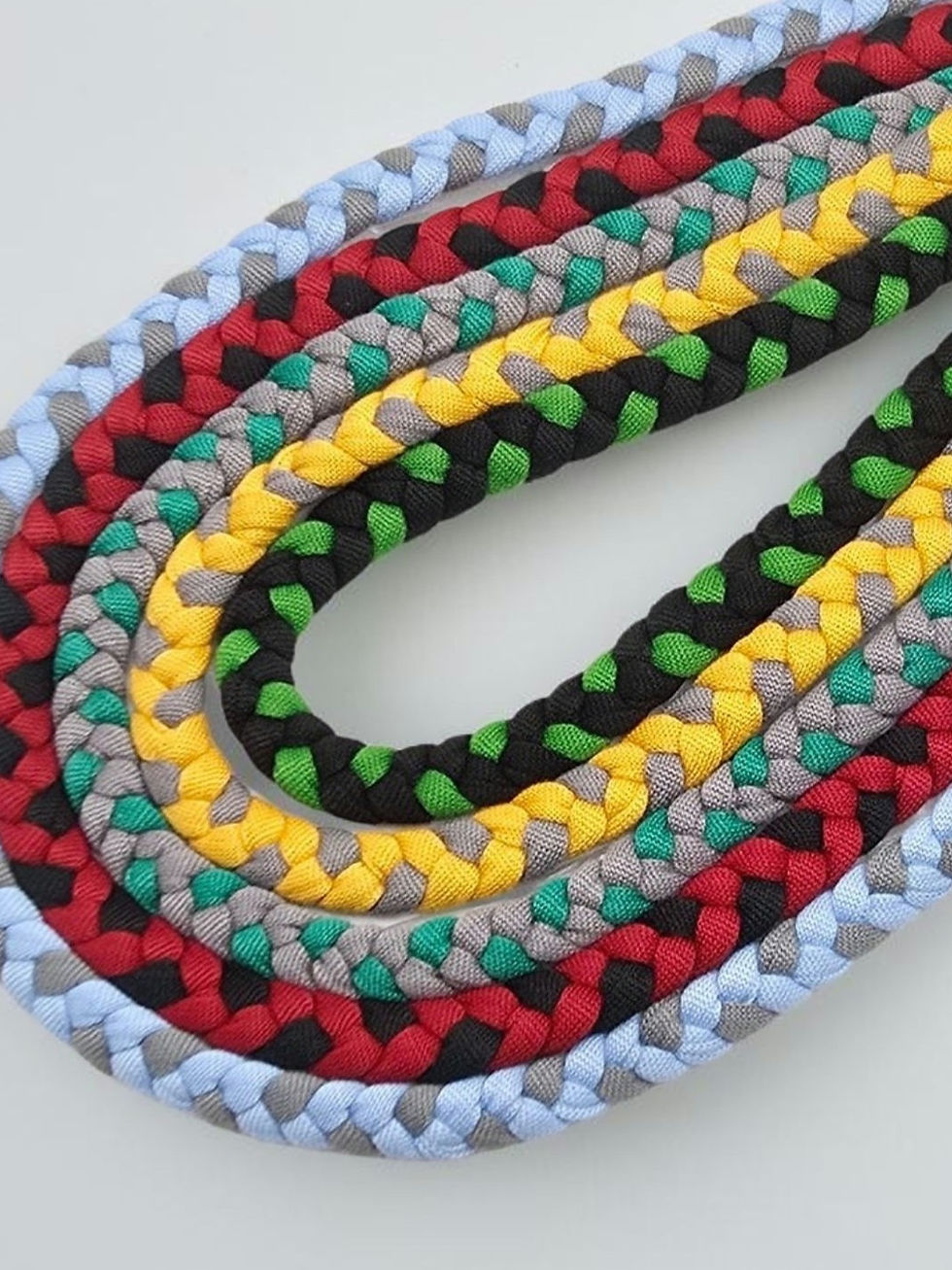
Fabric chew necklaces are soft, lightweight sensory aids designed for people who chew clothing and prefer softer textures. Silicone chewelry provides firmer sensory input and may suit those who chew pens, straws and harder objects.
Who are fabric chew necklaces best for?
Fabric chew necklaces are popular with autistic and ADHD children who chew sleeves, collars, school jumpers, hair, paper or hoodie strings. They are designed to feel similar to fabric and clothing. They are more descreetin designand are oftern choosen by schools as they blend with uniforms.
Who is silicone chewelry best for?Silicone chewelry is often chosen by people who prefer harder textures and chew pencils, toys, straws or rubbery objects.
Can sensory chew necklaces help with emotional regulation?
Many autistic and ADHD children use sensory chew necklaces and oral fidgets to help with emotional regulation, concentration and anxiety.
Can chew necklaces help children concentrate at school?
Some children find that sensory chews help them focus during lessons, writing, reading and maths by providing calming sensory input.
Which chew necklace is best for school?
Fabric chew necklaces are often chosen for school because they are discreet, lightweight and can be customised to match school uniforms. Silicone chewelry may suit children who need firmer sensory feedback.
Which chew necklace lasts the longest?
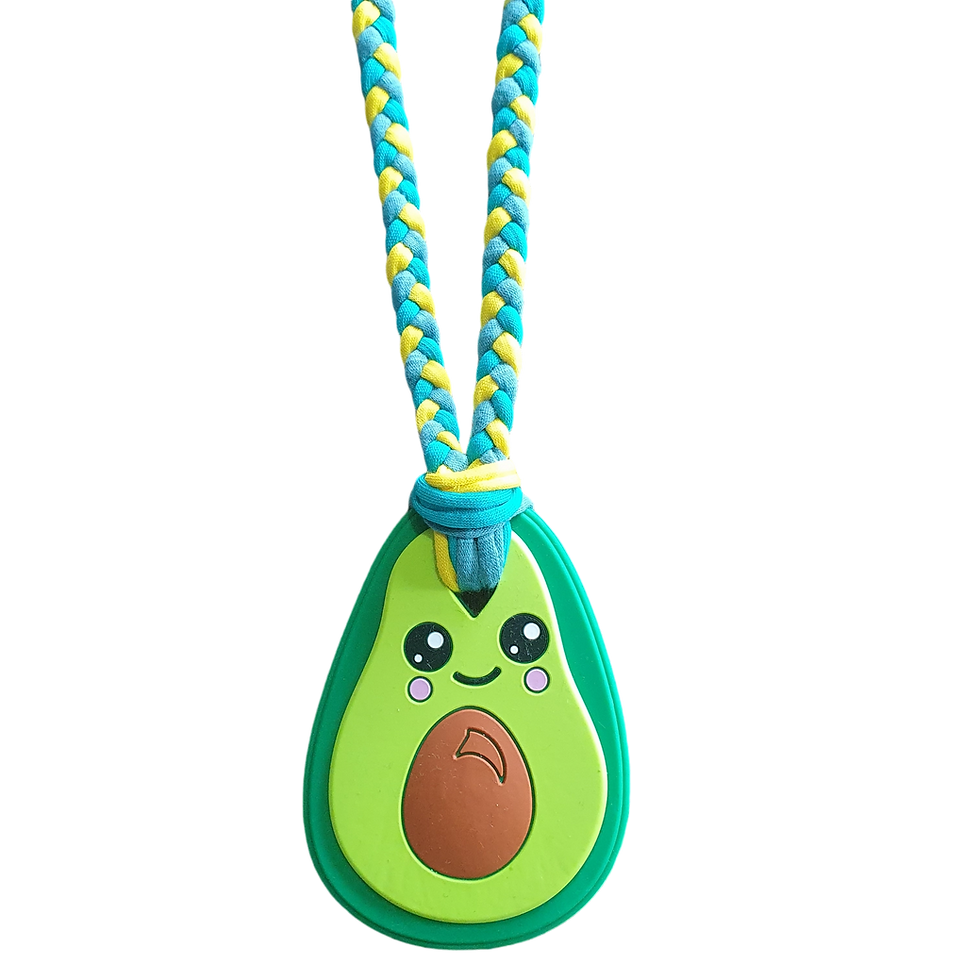
The lifespan of a chew necklace depends on the individual's chewing style. For heavy chewers and some people with PICA, our seven-strand fabric chew necklaces are our most durable fabric chewelry option. The most durable silicone options are the designs such as the Avocado, Cupcake, Ice Cream and similar.
How do I know whether to choose fabric or silicone chewies?
If your child chews clothing, hair or soft materials, a fabric chew necklace may be the best option. If they chew pens, straws or harder objects, silicone chewies may be more suitable.
Are your sensory chew necklaces safe?
Our sensory chew necklaces feature breakaway clasps and are made from independently tested materials. Our silicone is non-toxic, and our fabrics and dyes have been safety tested.
Can sensory chew necklaces help people with PICA?
Many families looking for sensory aids for PICA choose thicker fabric chew necklaces or silicone chewelry. The best option depends on the person's sensory preferences and chewing habits but we make our fabric designs in 7 strands or more if requested.
Can I customise my sensory chew necklace?
Yes. Our fabric chew necklaces and silicone chewelry can be customised in different colours to suit school uniforms, workplaces and personal preferences.
What is oral sensory seeking?
Oral sensory seeking is when a person seeks sensory input through their mouth by chewing, biting or sucking on objects such as sleeves, pencils, hair or sensory chews.
Are sensory chew necklaces only for children?
No. Our sensory chew necklaces and chewelry are used by autistic adults, ADHD adults, children, schools and professionals.
Why do autistic children chew their clothes?
Many autistic children chew clothing because chewing provides sensory input that can help with regulation, concentration and anxiety.
Why does my Autistic child chew their clothes?

Similar to breathing, chewing happens without thinking it's a natural rhythm of life.
Just as a child cuddling and listening to its mothers heartbeat can be soothed by the constant repetitive rhythm, it makes sense that the motion and predictability of chewing has the same soothing and reliable outcome, calm!

In short
Many autistic children chew their clothes because chewing provides sensory input that helps them regulate their emotions, reduce anxiety and improve concentration. Chewing sleeves, collars and school jumpers is often linked to sensory seeking and is a common way for autistic and ADHD children to self-regulate.
If your child chews T-shirts, cuffs, shoelaces or hoodie strings, you are not alone. For many families, clothing chewing begins long before a diagnosis.
For our family, it started at nursery. One day, my son's teacher called me in and explained that he had been chewing his T-shirts and even his trouser legs. By the end of nursery, he had chewed holes in several items of clothing. When he started school full time, the chewing became even more noticeable.
The Science Behind Chewing
Chewing helps stimulate our cognitive function which works with our hippocampus. Our hippocampus is part of our limbic system which looks after our memories supporting new learning as well as our emotional responses. Some studies have shown chewing can increase blood flow to the brain by 25-40% increasing productivity.
When
Under
Stress
When talking to our customers they have found chewing happens most...
When in deep thought
My son has ADHD and Autism. His teachers have told us he chews most in maths when quietly working out equations or when sitting at the end of the day, processing his thoughts (when he should probably still be listening but hes had enough and needs to sit and regulate lol.)
The first thing naturally on hand to chew is often necklines or t-shirt sleeves.
We have used fabric to make our chew necklaces as it replicates these textures. We hope our users will just as naturally pick up and use our sensory chew aids as they sit against the neckline or lay on their wrists.
Our range of fabric chews are designed to replace the damage to often expensive clothes or uniforms.


How can a chew necklace help with sensory regulation?
Chew necklaces also sometimes called chewlery or Fabric Chews can help some autistic and ADHD children regulate their emotions, reduce anxiety and improve concentration by providing the sensory input they are seeking in a safe way.
Sensory regulation is the way our brains and bodies process information from the world around us. For some, chewing helps them feel calmer, more focused and more able to cope with everyday situations.
Many parents notice that their child chews more during certain activities. Your child might chew while completing schoolwork, watching television, reading or winding down after a busy day.
Chewing can help children:
* Feel calmer during stressful situations.
* Concentrate during lessons.
* Manage feelings of anxiety.
* Self-soothe after an overwhelming day.
* Meet sensory needs in a safe way.
As an autistic adult and the parent of an autistic child, I know that sensory needs are real and important. At Sensory Stim Shop, we don't believe chewing is something children simply need to "grow out of". Instead, we believe that understanding sensory needs and providing safe alternatives can make everyday life easier.


Fabric Chew Necklaces vs Silicone Chewelry: Which Is Best?
There is no single "best" chew necklace. The right choice depends on your child's sensory needs, what they naturally like to chew, and the type of sensory input they are seeking.
Some children prefer the soft, familiar feeling of a fabric chew necklace, while others need the firmer resistance of silicone chewelry. Both can be useful sensory aids.

Silicone Necklaces






Both fabric chew necklaces and silicone chewelry are designed to provide a safer alternative for people who use chewing as a way to regulate. However, they offer very different sensory experiences.
A fabric chew necklace is made from soft fabric and provides a familiar, gentle texture.
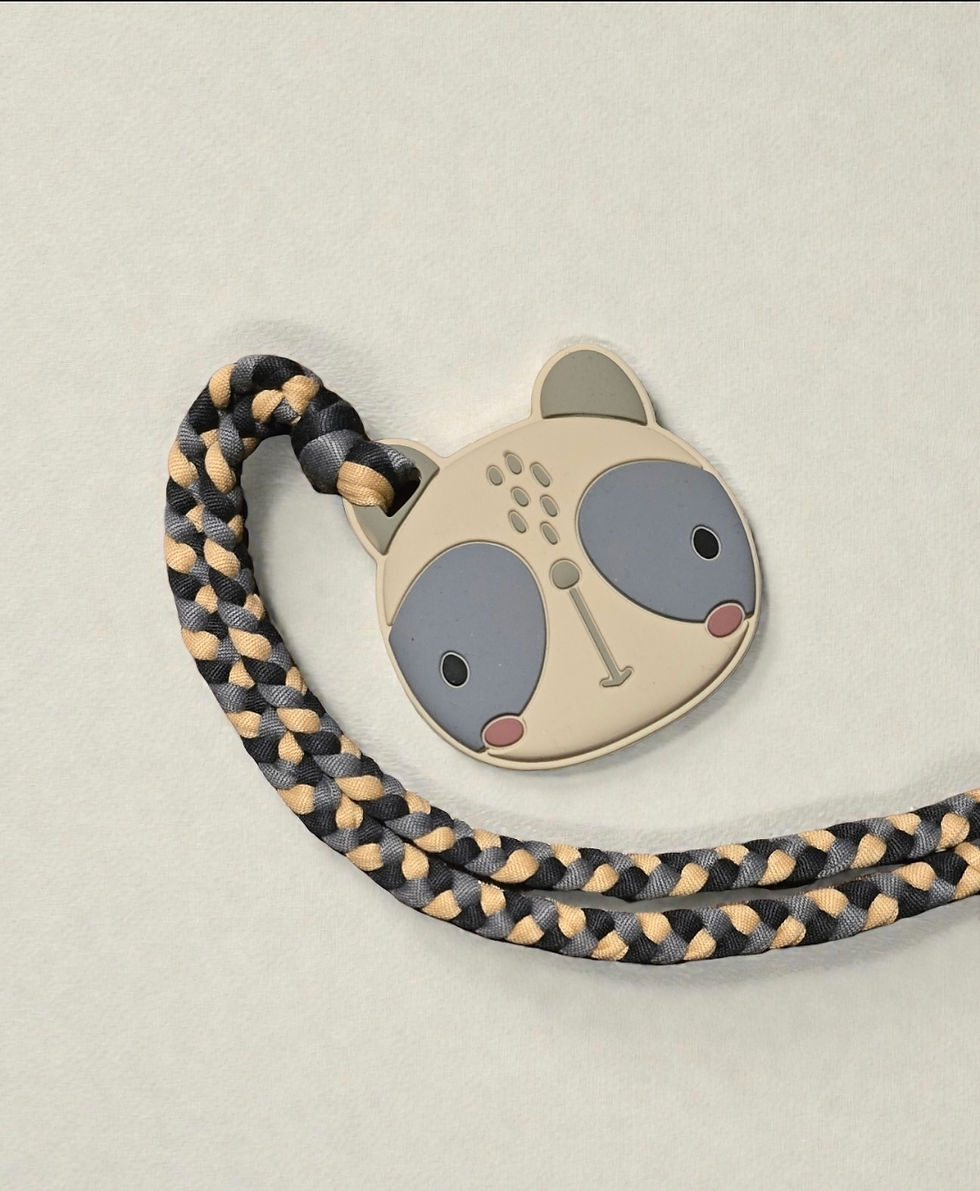
Silicone chewelry is made from food-grade silicone and provides a firmer, more resistant chewing experience.
Some people prefer one over the other, while others use both depending on the situation.
What is the difference between fabric chew necklaces and silicone chewelry?
Fabric Necklaces



bottom of page